 repmaxxing
 Blog
Beginner calisthenics,
written down
 2026-09-12 Dips for Beginners: Bench Dips, Bar Dips and Which First A dip lowers and raises your body between two supports using the arms and chest. Start on a bench with your feet on the floor, move to parallel bars when that is easy, and expect the triceps and chest to do most of the work. Bar dips activate the triceps more than bench dips, which is why the bench comes first.
 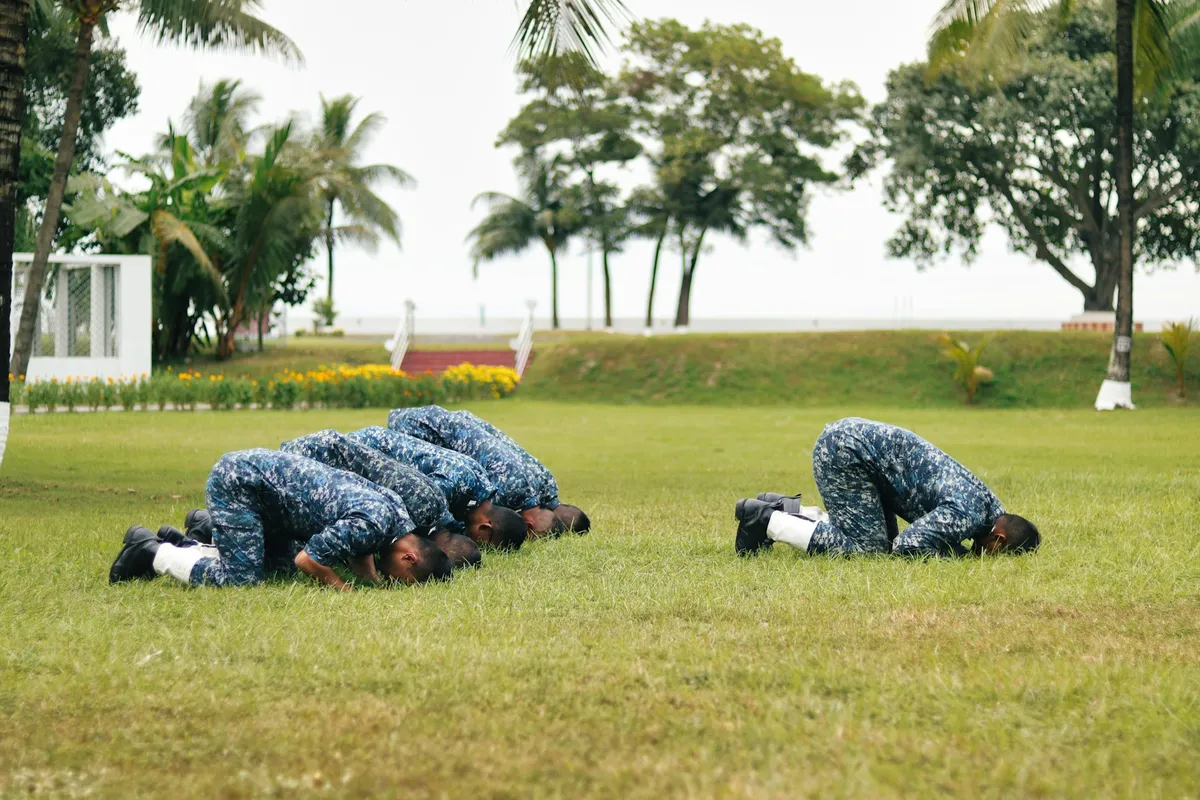 2026-09-12 Military Calisthenics Workout: What the Tests Actually Ask A military calisthenics workout is mostly push-ups, a plank and running, because that is what the tests measure. The Army Fitness Test has 5 events and only 2 are bodyweight; the Marine PFT has 3 and 2 are. A beginner builds to them with the same push-up and pull-up progressions as anyone else.
  2026-09-12 Pull-Up Variations: Which to Earn, and in What Order Pull-up variations divide into 3 kinds: grip changes, which barely alter the muscles worked; harder grips like a towel or rope, which train the forearms; and added load or rings, which raise the difficulty properly. Earn them in that order, after your first strict rep, not before.
 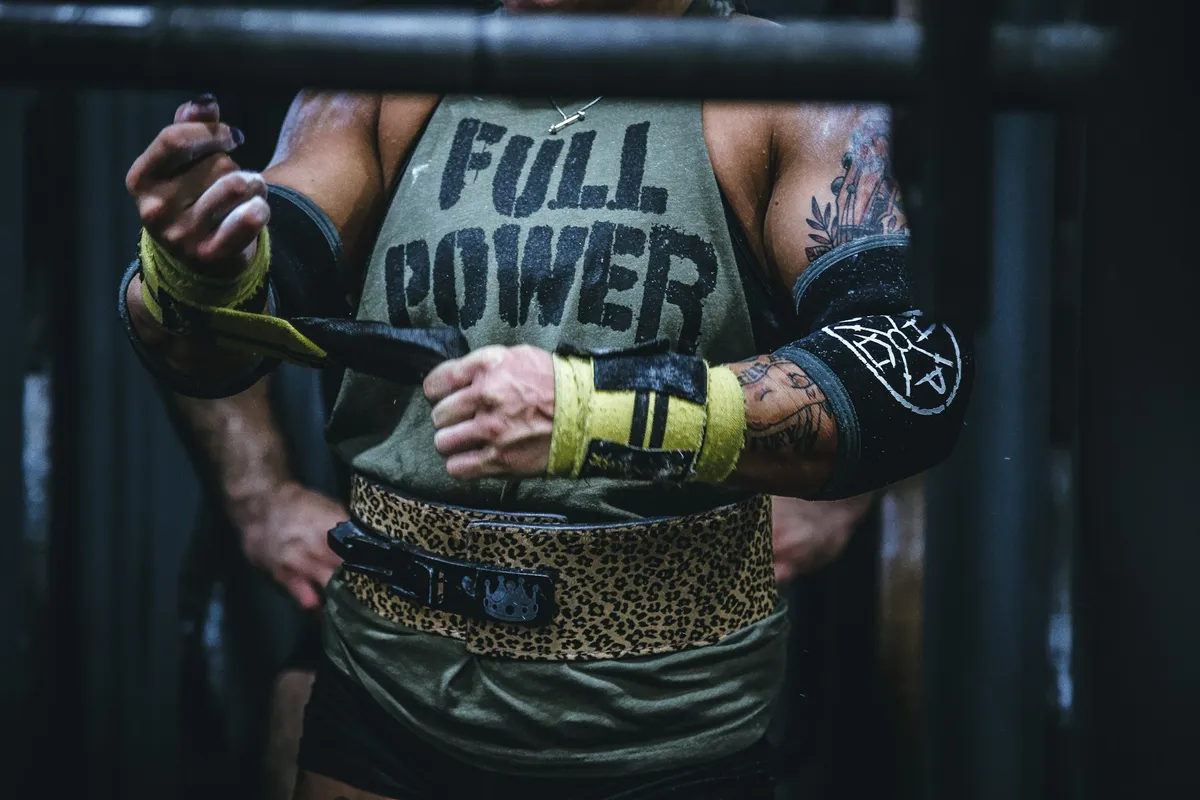 2026-09-12 Weighted Pull-Ups: When and How to Add Load A weighted pull-up is a strict pull-up with external load added by a dip belt, a vest or a dumbbell between the feet. Add it once you can do about 8 to 10 clean bodyweight reps, then raise the load by 2 to 10 percent whenever you beat your rep target by 1 or 2.
 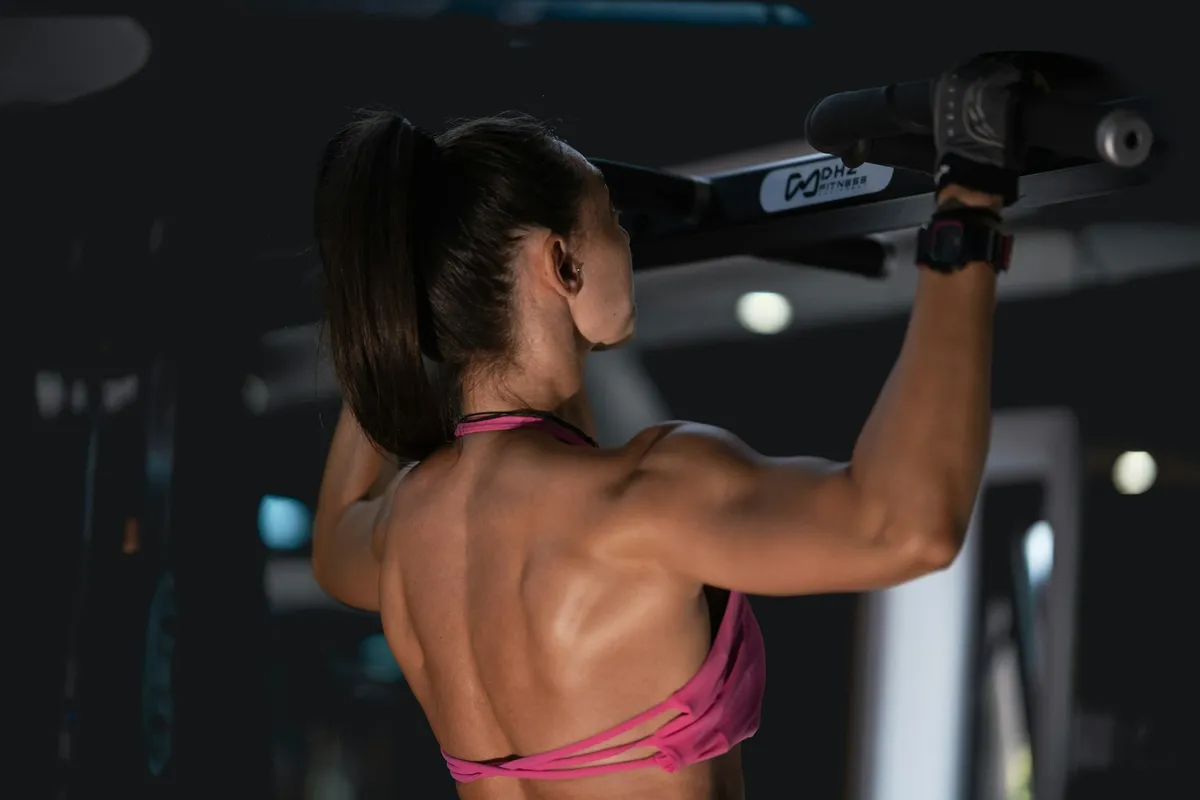 2026-09-11 Chin-Ups vs Pull-Ups: Muscles Worked and Which to Learn First A chin-up uses an underhand grip and a pull-up an overhand grip, and that is the whole difference. The chin-up recruits more biceps and chest, the pull-up more lower trapezius, and the lats work equally hard in both. For a beginner with healthy shoulders the chin-up comes first because the extra biceps makes the first rep arrive sooner; with any shoulder history, the overhand pull-up does.
  2026-09-11 Inverted Rows for Pull-Ups An inverted row, also called an Australian pull-up, is a pull-up turned horizontal: you hang under a bar with your feet on the floor and pull your chest to it. It works the same muscles as a pull-up at a fraction of the load, which makes it the rung between scapular pulls and negatives.
  2026-09-06 Beginner Calisthenics Workout Plan A beginner calisthenics workout plan trains pull, push and dip 3 times a week, with rest days between. Sets are a fraction of your own best set, never a fixed number, so the plan scales to wherever you are starting from, and the only progression rule is to retest the number the fraction is built from.
 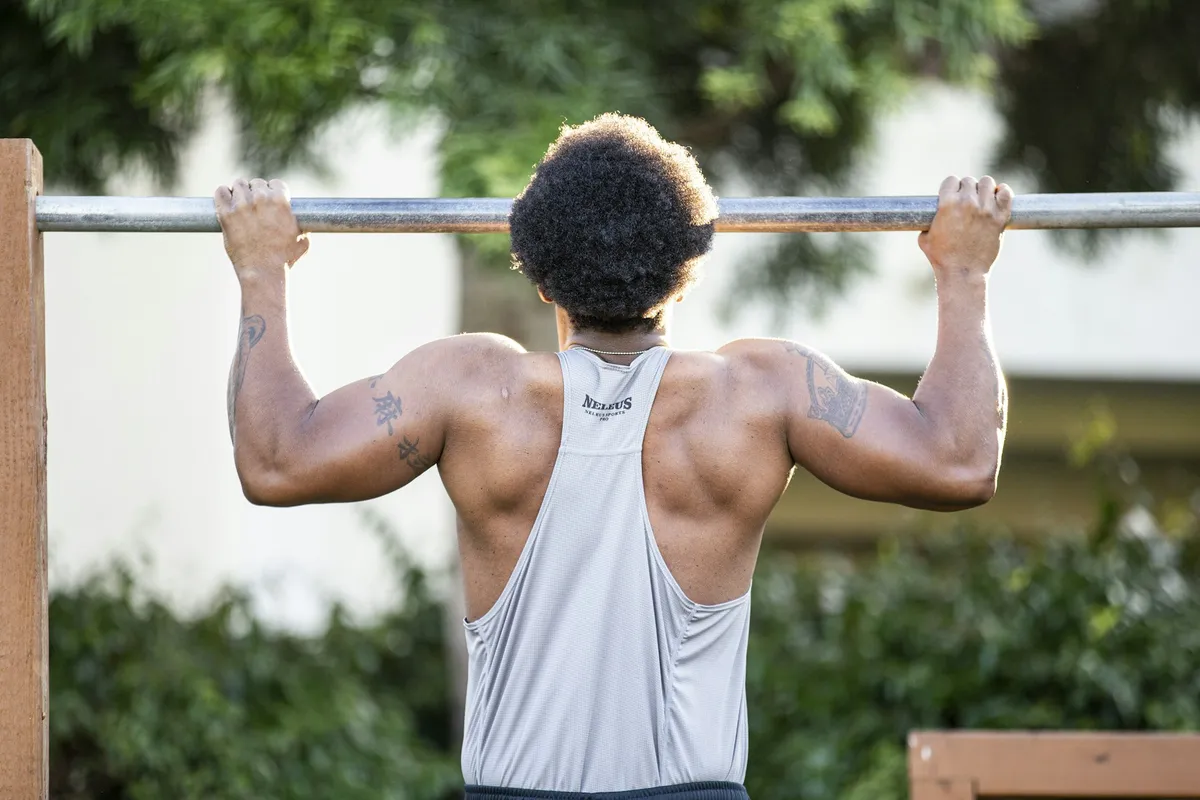 2026-09-06 How to Do Your First Pull-Up A first pull-up is built in rungs: dead hang, scapular pulls, inverted rows, negatives, then band assisted reps, in that order. A strict rep counts only when your arms start fully straight and your chin clears the bar without a kick or a swing.
 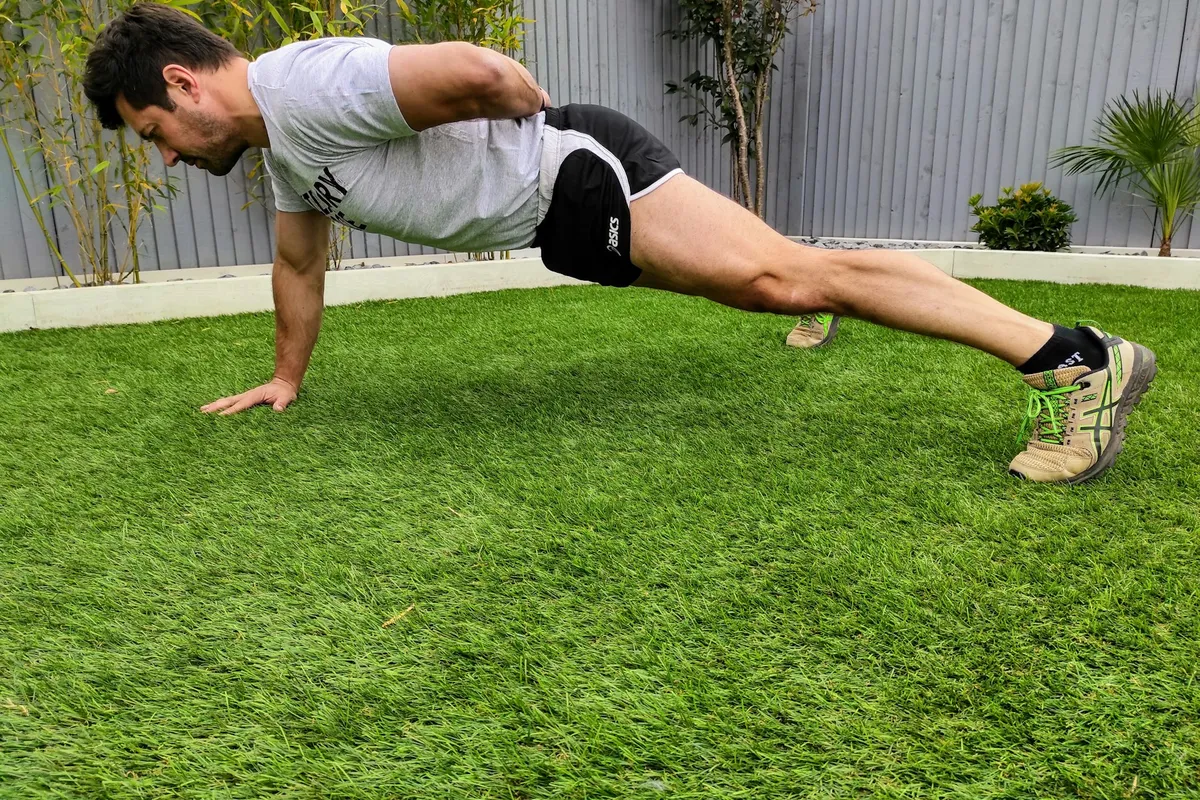 2026-09-06 How to Start Calisthenics for Beginners Start with 3 movements and their easiest versions: a dead hang or assisted pull, an incline push, and a bench dip. Train them 2 or 3 times a week, track 1 number per movement, and let a small first goal tell you when to move on.
 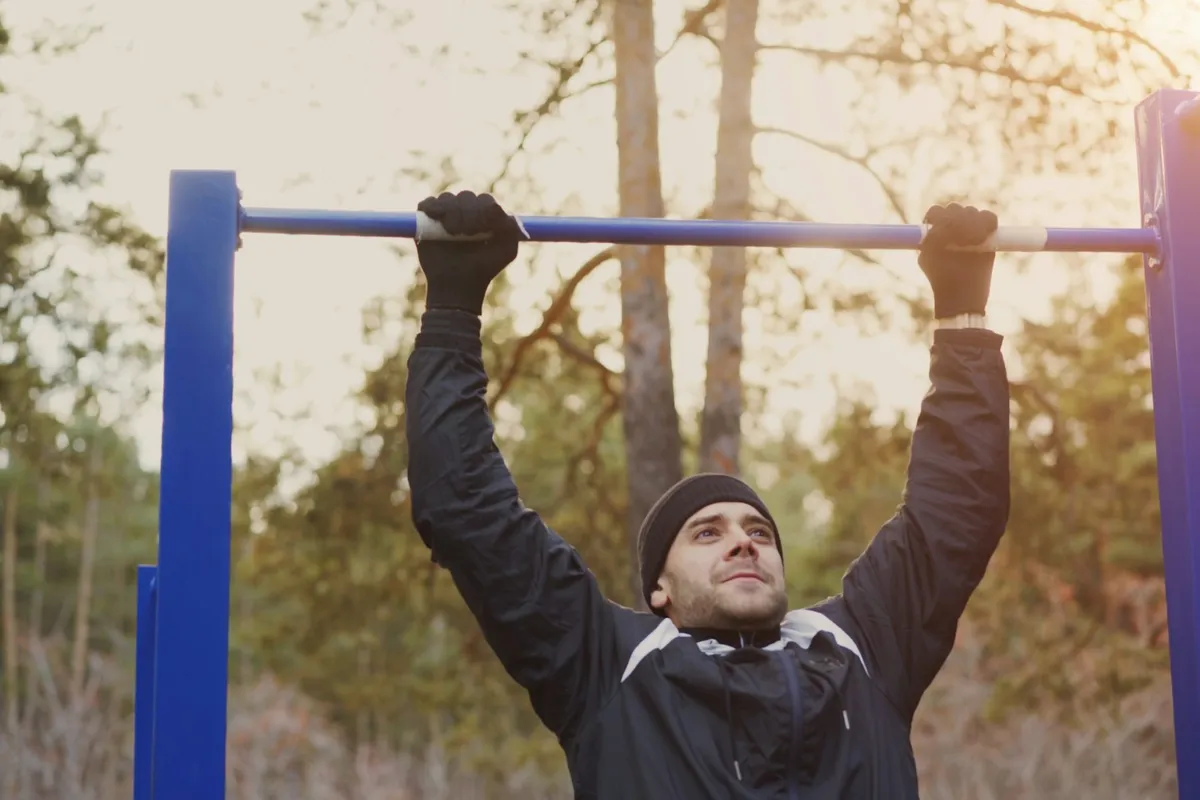 2026-09-06 Scapular Pull-Ups for Beginners A scapular pull-up, also called a scapular pull, hangs from the bar with straight arms and pulls only the shoulder blades down and together, with no bend at the elbow. It is the first rung under a full pull-up, building the shoulder engagement a real rep needs before any pulling strength is asked of the arms.
 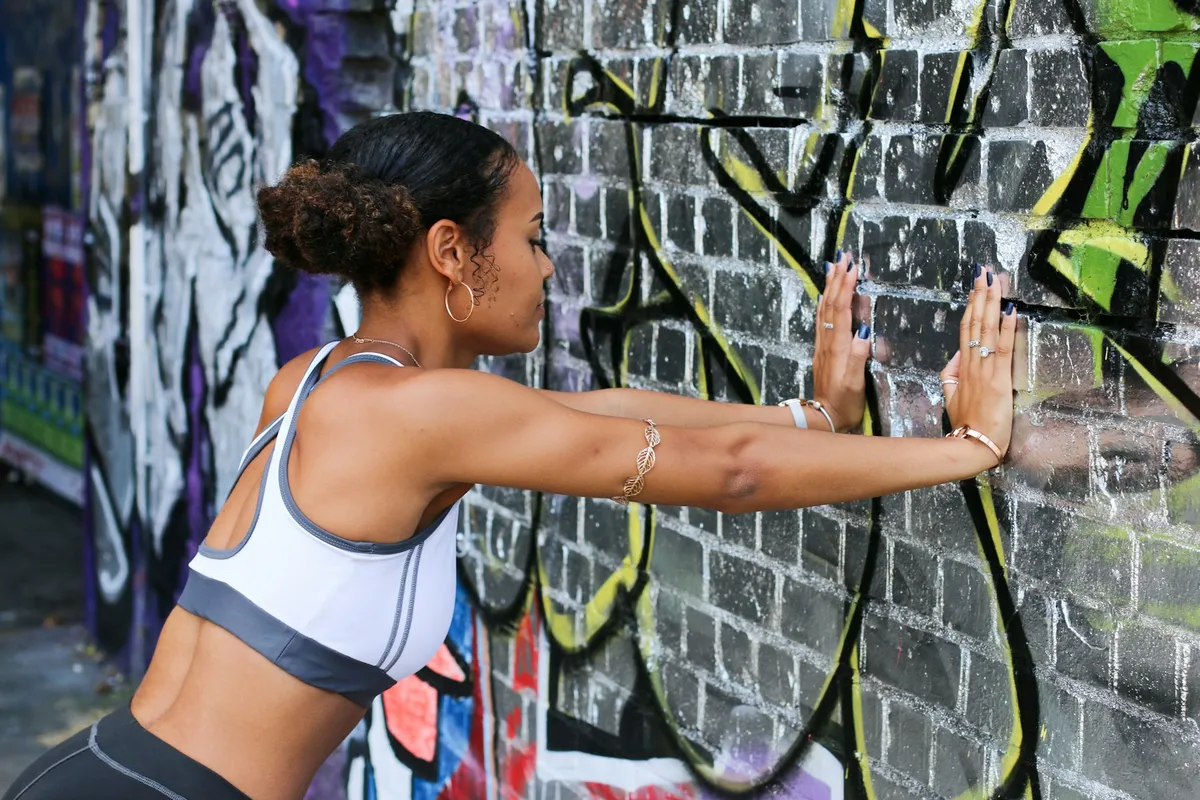 2026-09-06 Wall Push-Ups for Beginners A wall push-up is a normal push-up done standing, hands on a wall, which shifts nearly all your body weight onto your feet instead of your arms. It is the true zero point for a beginner with no pushing strength yet, useful for days to a couple of weeks before moving to an incline.
 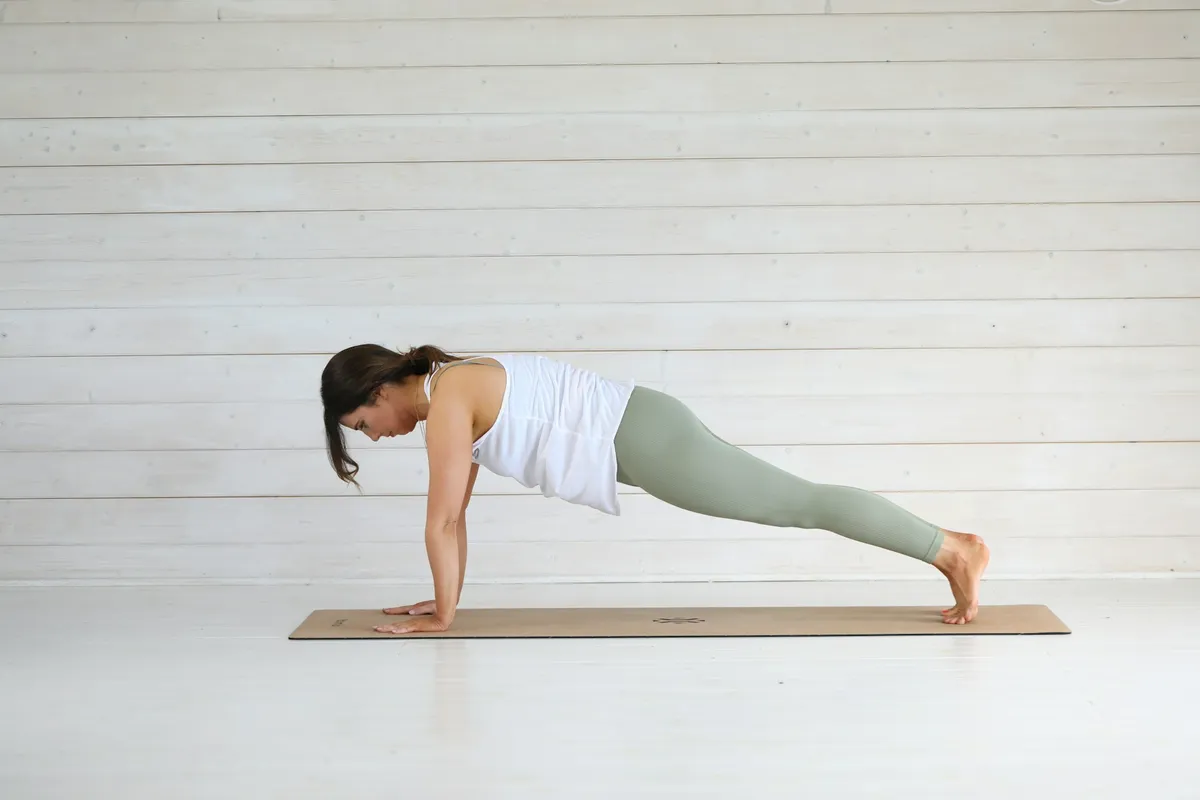 2026-09-06 Scapular Push-Ups for Beginners A scapular push-up, also called a scapula push-up or a push-up plus, holds a plank with straight arms and moves only the shoulder blades, protracting them apart and retracting them together. It builds the shoulder stability every push-up variation needs before the elbow bends at all, and 2 or 3 sets of 8 to 12 reps is enough.
 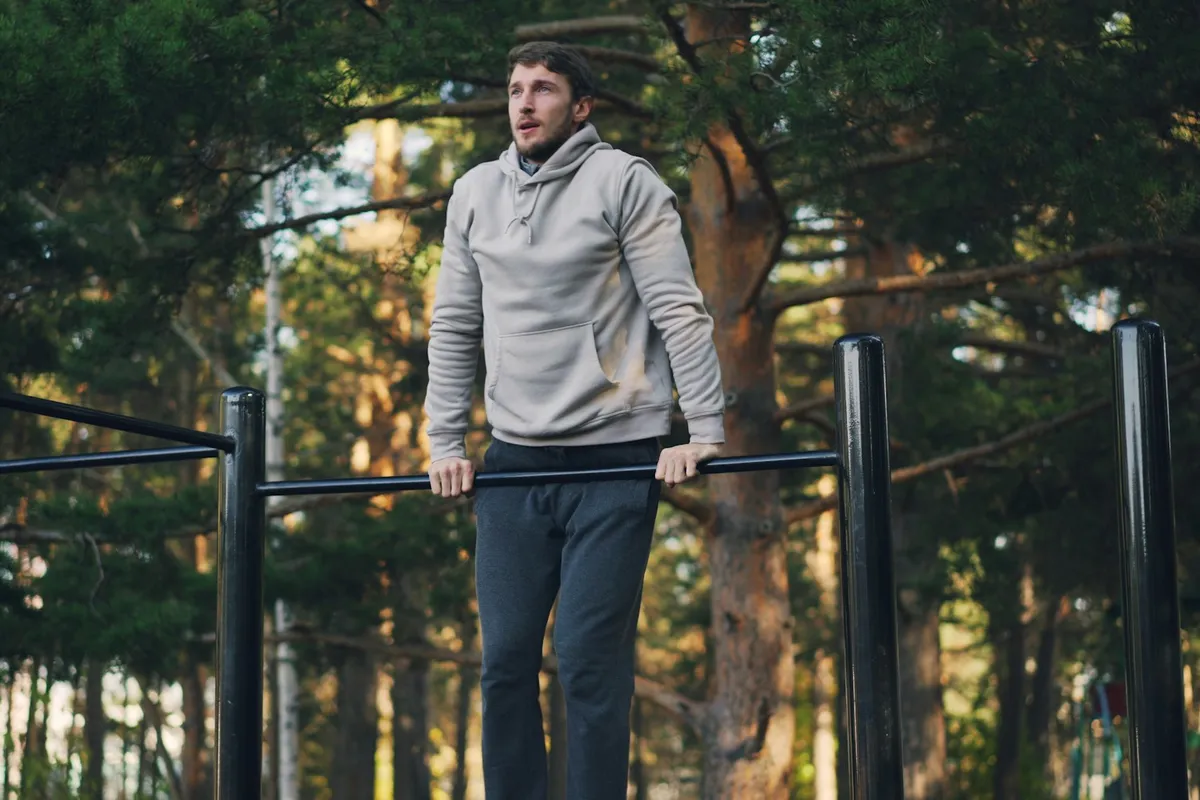 2026-09-06 Negative Pull-Ups for Beginners A negative pull-up starts at the top of the bar, chin over, and lowers you as slowly as you can control, 5 seconds or more, training the exact movement a full pull-up needs from the top down. It builds real pulling strength using only the lowering, eccentric half of the rep.
 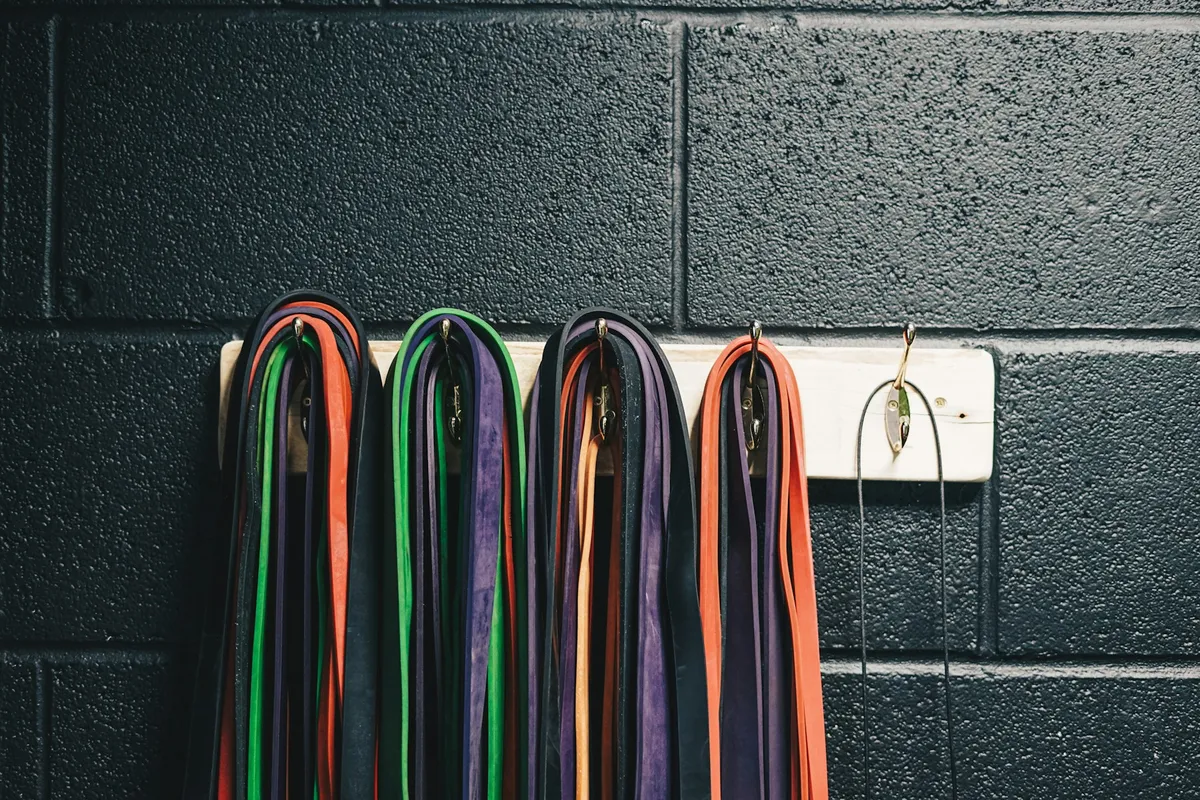 2026-09-06 Resistance Bands for Pull-Ups A resistance band looped around the pull-up bar and under a foot or knee takes over part of your body weight through the whole rep, making it a direct bridge to a full pull-up. Thicker bands assist more and thinner bands assist less, so the goal is always the thinnest band you can still complete a clean set with.
  2026-09-01 How Many Push-Ups Should a Beginner Aim For? If you can do 0 push-ups today, a realistic first goal is 2 clean ones, then roughly 5, then 10. If you already manage 10, aim for 20. Small, fixed jumps beat vague ambitions, because a target you can reach in weeks is one you will actually train for.
 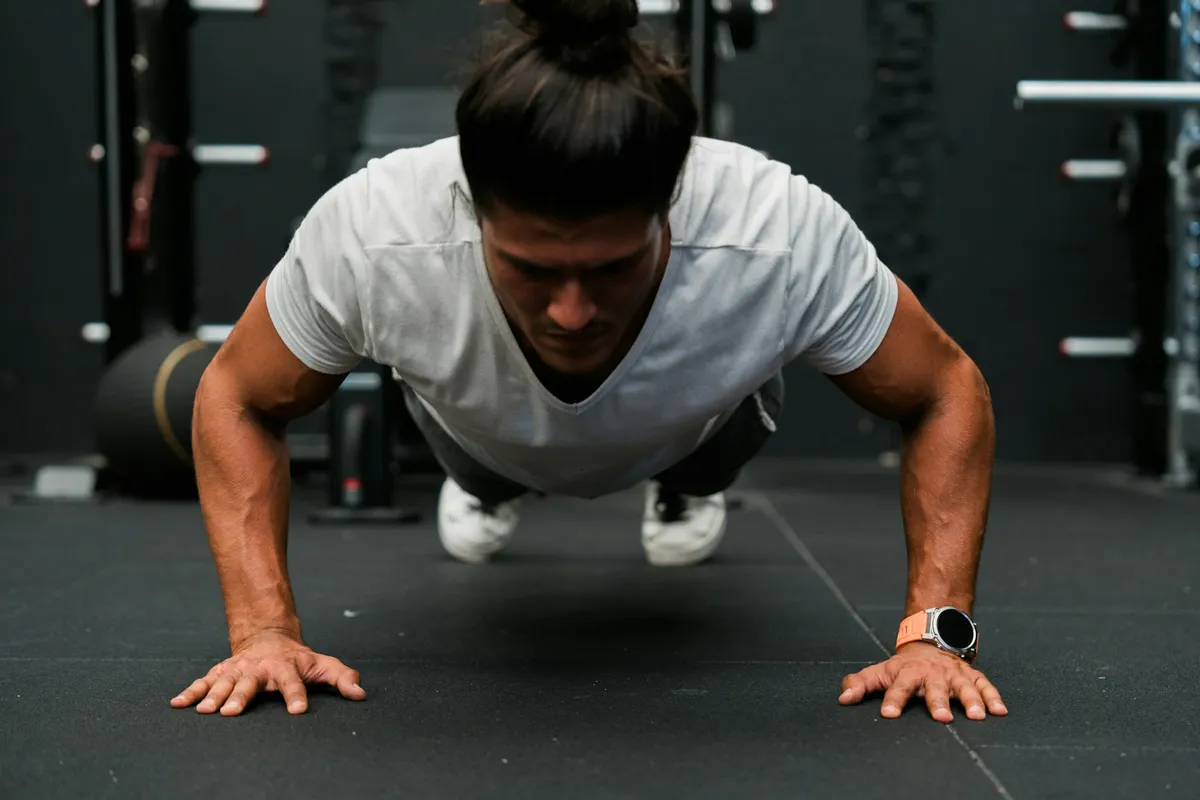 2026-09-01 How to Do Push-Ups for Beginners Start against a wall, move to an incline, then to your knees, then to the floor: same body line each time, chest close to the surface, elbows locking out at the top. The variant changes the load on your arms, from a small fraction of your body weight to about two thirds of it. The standard for a clean rep does not change.
 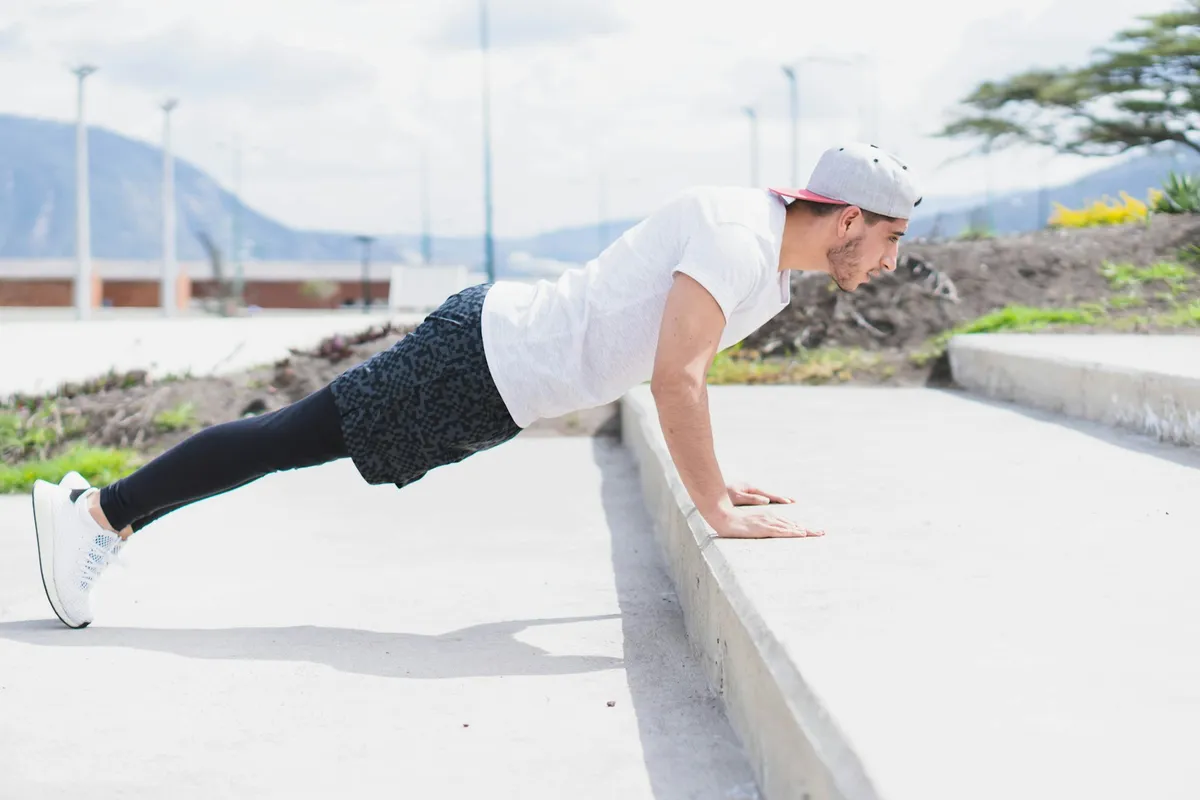 2026-09-01 Incline Push-Ups for Beginners An incline push-up is a normal push-up with your hands raised on a stable surface, which cuts how much of your body weight your arms have to lift. Lower the surface a step each time a set gets easy, until your hands reach the floor and the arms carry about two thirds of your weight.